All posts by Tammy Ryan

Exploring 5 Eco-Friendly Roofing Options: Sustainability Meets Style

Your choice of roofing is an opportunity to make an eco-friendly statement while adding style to your home. With the increasing focus on sustainability, homeowners and builders are turning to eco-friendly roofing options that not only reduce environmental impact but also enhance the aesthetic appeal of their properties. 

1. Metal Roofing

Metal roofing has emerged as one of the most popular eco-friendly options for homeowners seeking durability and sustainability. Typically made from recycled materials such as aluminum, steel, or copper, metal roofs offer longevity and recyclability unmatched by traditional asphalt shingles. By choosing metal roofing, homeowners contribute to reducing landfill waste while enjoying a roof that can last for decades. Additionally, metal roofs are highly reflective, reducing heat absorption and energy costs during hot summer months.

2. Solar Roofing

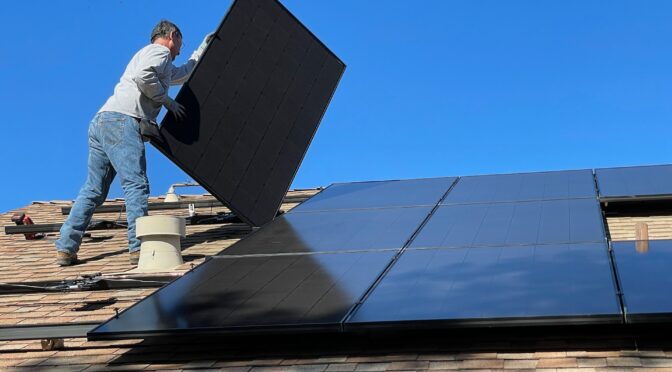
Solar roofing represents the perfect combination between sustainability and renewable energy generation. Integrating solar panels directly into roofing materials, solar roofing systems harness the power of the sun to generate electricity while providing protection from the elements. Advances in technology have led to the development of solar tiles and shingles that seamlessly blend with conventional roofing materials, offering a sleek and modern aesthetic.

3. Green Roofs

For those looking to make a bold environmental statement, green roofs offer a unique and visually striking solution. Also known as living roofs, green roofs are covered with vegetation, providing insulation, absorbing rainwater, and reducing urban heat island effects. By creating natural habitats for birds and insects, green roofs contribute to biodiversity while improving air quality and mitigating stormwater runoff. While the initial installation costs of green roofs may be higher than traditional roofing materials, the long-term environmental benefits and energy savings make them a worthwhile investment. 

4. Recycled Rubber Roofing

Recycled rubber roofing offers a sustainable and budget-friendly alternative to traditional materials. Made from recycled tires and other rubber products, this type of roofing is durable, lightweight, and resistant to extreme weather conditions. Recycled rubber roofing not only diverts waste from landfills but also requires minimal maintenance, making it a practical choice for eco-conscious homeowners. From flat roofs to sloped surfaces, recycled rubber roofing can be customized to fit a variety of architectural styles, making it a versatile and eco-friendly option.

5. Clay or Concrete Tiles

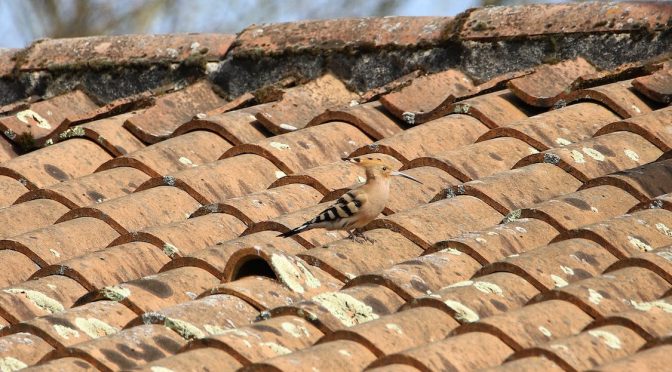
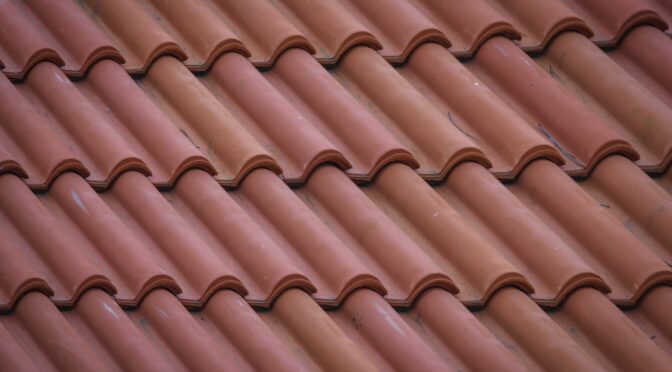
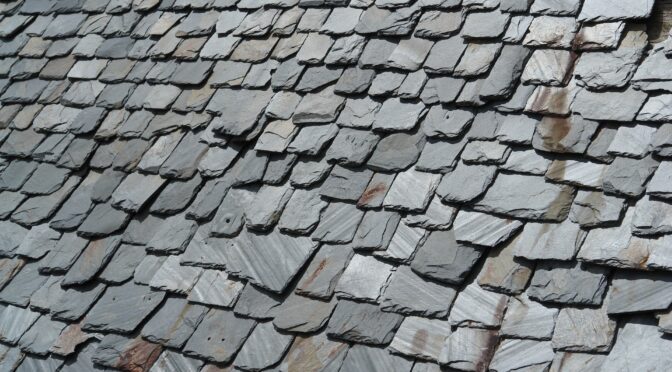
Clay and concrete tiles offer a sustainable roofing option that combines durability with timeless elegance. Made from natural materials, clay and concrete tiles are long-lasting, fire-resistant, and recyclable at the end of their lifespan. With their classic Mediterranean or Spanish-style aesthetics, clay and concrete tiles add charm and sophistication to any home while reducing environmental impact. Additionally, these tiles provide excellent insulation, keeping homes cool in the summer and warm in the winter, thus reducing energy consumption and carbon emissions.

Conclusion

Exploring eco-friendly roofing options allows homeowners to make a positive impact on the environment while enhancing the visual appeal of their properties. Whether opting for metal roofing or clay/concrete tiles, there are plenty of sustainable choices available that cater to both aesthetic preferences and ecological concerns. By embracing these innovative solutions, homeowners can create a greener, more sustainable future with an eco-friendly roof.
Mastering Roofing Ventilation: A Step-by-Step Guide for a Healthy Roof

When it comes to maintaining a healthy home, the often-overlooked aspect of roofing ventilation plays a crucial role. A well-ventilated roof not only ensures the longevity of your roofing system but also contributes to a comfortable and energy-efficient living space. In this step-by-step guide, we will delve into the importance of roofing ventilation and provide practical tips to help you master this essential aspect of home maintenance.

1. Understanding the Importance of Roofing Ventilation

Proper roofing ventilation is the key to preventing a myriad of issues that can plague your home. It regulates temperature, reduces moisture buildup, and enhances energy efficiency. Without adequate ventilation, your roof is susceptible to problems like mold growth, premature aging of roofing materials, and even structural damage. Moreover, an improperly ventilated roof can lead to higher energy bills, as the lack of airflow can make your home more challenging to cool in the summer and harder to heat in the winter.

2. Assessing Your Current Ventilation System

Before diving into improvements, assess your current roofing ventilation system. Inspect the attic for signs of inadequate ventilation, such as condensation, musty odors, or visible mold growth. Measure the ventilation openings – both intake (usually at the eaves or soffits) and exhaust (typically near the ridge). Understanding your current setup is crucial for planning effective changes.

3. Calculating Ventilation Requirements

The amount of ventilation your roof needs depends on factors like the roof size, climate, and attic insulation. A general rule of thumb is to have 1 square foot of ventilation for every 150 square feet of attic space. However, it’s always wise to consult with a roofing professional to ensure accurate calculations based on your specific circumstances.

4. Balancing Intake and Exhaust

Achieving a balanced airflow is essential for effective roofing ventilation. Intake vents allow fresh air to enter the attic, while exhaust vents expel stale air. The ideal scenario is a 50/50 balance between intake and exhaust. Soffit vents are commonly used for intake, while ridge vents or roof vents serve as exhaust points. Make sure these components work harmoniously to create a continuous flow of air.

5. Choosing the Right Ventilation Products

Selecting the right ventilation products is crucial for optimal performance. Ridge vents, roof vents, gable vents, and soffit vents come in various designs and materials. Consider factors such as the climate in your area, the type of roofing material, and your budget when choosing these products. Investing in quality ventilation materials will pay off in the long run, ensuring a durable and efficient system.

6. Professional Installation

While some homeowners may be tempted to turn ventilation installation into a DIY project, it’s often best left to professionals. Improper installation can lead to more problems than solutions. A qualified roofing contractor can assess your specific needs, recommend the right products, and ensure a proper installation that complies with local building codes.

7. Regular Maintenance

Once you’ve mastered roofing ventilation, it’s crucial to implement a regular maintenance routine. Inspect vents and openings for debris, clear any blockages, and check for signs of wear or damage. Regular inspections will help you catch potential issues early and extend the lifespan of your roofing system.

Conclusion

Mastering roofing ventilation is an integral part of maintaining a healthy and efficient home. By understanding its importance, assessing your current system, calculating ventilation requirements, achieving balance, choosing the right products, opting for professional installation, and implementing regular maintenance, you can ensure that your roof not only protects your home but also contributes to a comfortable and energy-efficient living space. With these steps, you’ll be well on your way to a roof that stands the test of time.

Top Eco-Friendly Roofing Systems: Sustainable Options for Greener Homes

Homeowners are increasingly seeking ways to reduce their carbon footprint and make eco-conscious choices for their homes. One significant step towards a greener home is selecting the right roofing system. Traditional roofing materials, such as asphalt shingles, have been the standard for many years. However, they come with environmental drawbacks that environmentally conscious homeowners are keen to avoid. 

Cool Roofs

Cool roofs are a sustainable alternative that addresses some of the environmental issues associated with traditional roofing materials. These roofs are designed to reflect sunlight and absorb less heat, reducing the need for air conditioning during hot summers. By lowering energy consumption, cool roofs not only cut utility bills but also help reduce greenhouse gas emissions. 

Solar Panels

For homeowners interested in generating clean energy, solar roofing systems offer an excellent solution. Solar panels, which can be integrated into various roofing materials, harness the power of the sun to generate electricity. This not only reduces your carbon footprint but can also lead to substantial long-term savings on energy bills. Solar roofing systems are a win-win for both homeowners and the environment, making them an attractive, eco-friendly option.

Metal Roofing

Metal roofing materials, such as aluminum and steel, are known for their longevity and durability. They can last for decades, reducing the need for frequent replacements. Moreover, metal roofing materials are highly recyclable, which means they can be repurposed into new products at the end of their life cycle. This recyclability significantly reduces waste and lessens the environmental impact of roofing materials.

Green Roofs

Green roofs, also known as living roofs, are a unique and visually appealing eco-friendly roofing option. These roofs are covered with vegetation, which not only adds natural beauty to your home but also provides insulation benefits. Green roofs reduce heat absorption, improve air quality, and mitigate the urban heat island effect. They contribute positively to the environment by promoting biodiversity and reducing stormwater runoff.

Rubber Roofing

Rubber roofing materials are crafted from recycled tires, offering an innovative solution to sustainability. These roofs are not only eco-friendly but also highly durable and weather-resistant. By repurposing discarded tires, rubber roofing helps reduce landfill waste and minimizes the environmental impact of tire disposal.

Wood Shingles and Shakes

For homeowners seeking a more traditional and natural aesthetic, wood shingle and shake roofing materials are an attractive option. When sourced sustainably from certified forests, wood roofing materials can be an eco-conscious choice. However, it’s essential to ensure responsible sourcing practices to prevent deforestation and support sustainable forestry management.

Considerations for Choosing an Eco-Friendly Roofing System

When selecting an eco-friendly roofing system, several factors come into play. Budget considerations, long-term savings, local climate, and the environmental impact of materials should all be weighed carefully. Homeowners should consult with roofing professionals to determine the best option for their specific needs and goals.

Conclusion

Making the switch to eco-friendly roofing systems is a significant step towards creating greener homes. By choosing sustainable alternatives like cool roofs, solar panels, metal roofing, green roofs, rubber roofing, or responsibly sourced wood shingles, homeowners can reduce their environmental impact while enjoying long-term benefits. The decision to invest in eco-friendly roofing not only contributes to a more sustainable future but also enhances the value and efficiency of your home. 

 6 Unmistakable Signs That It’s Time to Replace Your Roof

Your roof is one of the most critical components of your home, protecting it from the elements year-round. However, like any part of your house, roofs have a limited lifespan and will eventually require replacement. Recognizing the signs that it’s time for a new roof can save you from costly repairs. 

Here are the top six unmistakable signs that it’s time to replace your roof:

1. Age of the Roof

One of the most apparent signs that your roof needs replacement is age. Asphalt shingle roofs typically last around 20-25 years, while other materials like metal or tile may have longer lifespans. If your roof is approaching or has surpassed its expected lifespan, it’s a strong indicator that replacement is in order.

2. Curling or Buckling Shingles

Inspect the shingles on your roof. If you notice that they are curling, buckling, or losing granules, it’s a sign of wear and tear. Damaged shingles can no longer protect your home from moisture and may lead to leaks and water damage.

3. Leaks and Water Damage

Water stains on your ceilings or walls, as well as visible signs of water infiltration in your attic, are clear indicators of roof issues. If you notice leaks or water damage inside your home, it’s crucial to address them promptly. Repairs may temporarily fix the problem, but if the roof is nearing the end of its lifespan, replacement is the best long-term solution.

4. Missing or Damaged Flashing

Flashing is the material installed around roof joints, such as chimneys, vents, and skylights, to prevent water from seeping in. If you see missing, damaged, or deteriorating flashing, it can create vulnerabilities in your roof’s waterproofing. Properly functioning flashing is essential to a watertight roof.

5. Sagging Roof

A sagging roof is a severe structural issue that requires immediate attention. If you notice any sagging or unevenness in your roofline, it could indicate underlying structural damage or deterioration of the roof’s support system. In such cases, replacement is essential for the safety and integrity of your home.

6. Excessive Moss or Algae Growth

While not as urgent as the previous signs, excessive moss or algae growth on your roof can indicate moisture retention, which can deteriorate shingles over time. If left unaddressed, it can lead to premature roof aging.

Recognizing the unmistakable signs that it’s time to replace your roof is crucial for maintaining the integrity of your home and preventing further damage. While roof repairs can address specific issues, they may not provide a long-term solution if your roof is near its lifespan or showing multiple signs of wear and tear. Consult with a roofing professional to assess the condition of your roof and determine if replacement is necessary to protect your home effectively.

How to Extend the Lifespan of Your Roof with Proper Care

Your roof is your home’s first line of defense against the elements, and it plays a crucial role in keeping your family safe and comfortable. To ensure your roof has a long and healthy lifespan, it’s important to provide proper care and maintenance. In this blog, we’ll share five essential tips to help you extend the lifespan of your roof.

1. Regular Roof Inspections

One of the most effective ways to extend the lifespan of your roof is by conducting regular inspections. Ideally, you should inspect your roof twice yearly, in the spring and fall. During these inspections, look for signs of damage, such as missing or damaged shingles, cracks in the flashing, or sagging areas.

If you’re uncomfortable or experienced with roof inspections, consider hiring a professional roofing contractor. They have the expertise to identify issues that may go unnoticed by the untrained eye. Catching problems early can prevent them from escalating into more significant, costly repairs.

2. Keep Gutters Clean

Clogged gutters can lead to water damage to your roof and home. When debris accumulates in your gutters, it prevents proper drainage, causing water to pool on your roof. This can lead to leaks, rot, and even structural damage.

To prevent this, clean your gutters regularly, especially in the fall when leaves are falling. Also, consider installing gutter guards to minimize debris buildup and reduce the frequency of cleaning.

3. Trim Overhanging Trees

Overhanging tree branches can be a serious threat to your roof. When branches rub against or fall onto your roof during storms, they can cause damage to the shingles, flashing, and even the roof structure itself. To extend your roof’s lifespan, trim any branches that overhang your roof.

Regular tree maintenance not only protects your roof but also enhances the safety and aesthetics of your property. Be sure to hire a professional tree service if you’re uncomfortable doing this yourself.

4. Repair Roof Damage Promptly

Even with regular inspections, some damage may occur over time. When you notice any issues with your roof, such as loose or damaged shingles, cracked flashing, or leaks, it’s crucial to address them promptly. Ignoring these problems can lead to more extensive damage and costly repairs.

If you’re experienced in roofing repairs, you can tackle some minor issues yourself. However, for major repairs or if you’re unsure about the extent of the damage, it’s best to consult a professional roofing contractor. They can assess the situation and provide the necessary repairs to ensure your roof remains in good condition.

5. Invest in Proper Ventilation

Proper attic ventilation is often overlooked but is essential for extending the lifespan of your roof. Without adequate ventilation, heat and moisture can build up in your attic, causing damage to the roof deck and shingles. This can lead to premature aging and deterioration of your roof.

To address this, consider installing ridge vents and soffit vents to ensure proper airflow in your attic. This will help regulate temperature and humidity, reducing the stress on your roof and prolonging its life.

Taking care of your roof is a crucial part of maintaining your home’s integrity and safety. By following these five tips – conducting regular inspections, keeping gutters clean, trimming overhanging trees, repairing damage promptly, and investing in proper ventilation – you can extend the lifespan of your roof and enjoy a well-protected home for years to come.

5 Roofing Tips to Make Your Home Last Longer

Your home’s roof is its first line of defense against the elements, and ensuring its longevity is essential for protecting your investment. Regular maintenance and smart roofing choices can significantly extend the lifespan of your home. Let’s delve into five crucial roofing tips that will not only enhance the durability of your roof but also contribute to the overall longevity of your home.

1. Regular Roof Inspections

Scheduled roof inspections are the cornerstone of effective roofing maintenance. It’s advisable to have your roof inspected by a professional at least once a year, or more frequently if your area experiences severe weather conditions. Regular inspections allow experts to identify and address minor issues before they escalate into major problems. Early detection and repair can significantly extend your roof’s lifespan from loose shingles to damaged flashing.

2. Quality Roofing Materials

The choice of roofing materials is critical in determining your roof’s longevity. Invest in high-quality roofing materials that are known for their durability and resistance to the elements. Asphalt shingles, metal roofing, and clay tiles are popular choices known for their longevity. When selecting roofing materials, consider your area’s specific climate and weather conditions to ensure they are suitable for your location.

3. Proper Ventilation

Proper attic ventilation is often overlooked but is essential for extending the life of your roof. Inadequate ventilation can lead to excess heat and moisture buildup in your attic, which can cause shingles to deteriorate prematurely and promote mold and mildew growth. Ensure that your attic has sufficient ventilation to maintain a consistent temperature and humidity level, which will help preserve your roof’s integrity.

4. Regular Gutter Maintenance

Your home’s gutters are crucial in directing rainwater away from your roof and foundation. Clogged or damaged gutters can water pool on your roof, causing leaks and damage over time. It’s important to schedule regular gutter cleaning and maintenance to ensure that water flows freely and does not accumulate on your roof. Properly functioning gutters help prevent water-related issues that can reduce your roof’s lifespan.

5. Professional Roof Repairs and Replacements

When issues arise with your roof, addressing them promptly and professionally is essential. Attempting DIY repairs can sometimes worsen the problem or lead to further damage. Whether it’s a minor leak or significant damage from a storm, consult with a qualified roofing contractor to assess the situation and perform the necessary repairs or replacements. Professional workmanship ensures that your roof is restored to its optimal condition, preserving its longevity.

Conclusion

Your home’s roof is vital to its overall structure and longevity. By following these five roofing tips, including regular inspections, selecting quality materials, ensuring proper ventilation, maintaining clean gutters, and seeking professional repairs when needed, you can significantly extend the lifespan of your roof and, in turn, your home. Remember that proactive maintenance and responsible decision-making regarding your roof will not only protect your investment but also provide peace of mind, knowing that your home is well-prepared to weather the years to come.

How to Evaluate Roofing Contractors Through Reviews, Ratings, and Testimonials

When it comes to home or commercial property maintenance, few things are as crucial as having a well-maintained roof. Whether you need a minor repair or a complete roof replacement, choosing the right roofing contractor is paramount. The power of online reviews, ratings, and testimonials can make all the difference in finding a trustworthy and reliable roofing contractor.

Online Reviews

Online reviews are the go-to resource for consumers looking to make informed decisions. When searching for roofing contractors in Bethel, CT, start by searching for “roofing contractors” in your area. Pay close attention to reviews on platforms like Google, Yelp, Angie’s List, and others. These platforms aggregate feedback from past customers, providing valuable insights into a contractor’s performance.

Evaluating Online Reviews

When assessing online reviews, consider not only the overall sentiment but also common themes in the feedback. Are there recurring praises or concerns? Pay attention to specific details about the contractor’s work, such as their responsiveness, craftsmanship, and adherence to timelines.

Ratings and Their Significance

Ratings are often a quick way to gauge a roofing contractor’s reputation. Commonly presented on a scale of 1 to 5 stars or on a 10-point scale, they offer a snapshot of customer satisfaction. Be sure to consider both the overall rating and the number of ratings. A contractor with a high rating and a substantial number of ratings may be a safer bet.

Interpreting Ratings

While ratings provide a quick overview, don’t take them at face value. Look for contractors with consistently high ratings, but also delve deeper. Read the individual ratings and accompanying comments to get a more comprehensive understanding of the contractor’s strengths and weaknesses.

Value of Testimonials

While ratings and reviews offer valuable information, testimonials take it a step further by sharing personal experiences. When evaluating testimonials, look for specifics. Did the contractor complete the project on time? Was the final cost within the estimate? Were there any unexpected issues, and how were they handled? These details can provide a clearer picture of what to expect.

Digging Deeper with Testimonials

Testimonials often reside on a contractor’s website. Read through these to gain further insights into the customer experience. Look for testimonials that resonate with your project needs. Additionally, consider reaching out to past customers if contact information is provided. They can offer valuable firsthand information.

Research Phase

Before diving into reviews, it’s essential to conduct preliminary research. Begin by identifying potential roofing contractors in Bethel, CT. Ask for recommendations from friends and neighbors or search online directories. Once you have a list, you can proceed to evaluate them using reviews, ratings, and testimonials.

Red Flags to Watch Out For

As you explore reviews, ratings, and testimonials of roofing contractors in Bethel, CT, keep an eye out for red flags. These may include excessive negative feedback, a lack of testimonials, or suspicious patterns in reviews. Trustworthiness is crucial when assessing this information.

Make an Informed Decision for Your Property’s Future

Take the first step towards securing the safety and integrity of your property by contacting Roofing Contractor of Bethel today. Their team of professionals is equipped to handle your project with expertise and dedication. Contact them today to get started on your project.

Roofing Contractors of Bethel

129 Old Hawleyville Rd Unit 1, Bethel, CT 06801, United States

Phone Number: +18606008077

https://roofer-bethelct.com/

5 Common Roof Problems You Can Fix on Your Own

Your roof is one of the most critical components of your home, protecting it from the elements year-round. While some roof problems require professional attention, there are several common issues that you can tackle on your own, provided you have some basic DIY skills and the right tools. Let’s explore five common roof problems you can fix without calling the professionals.

1. Missing or Damaged Shingles

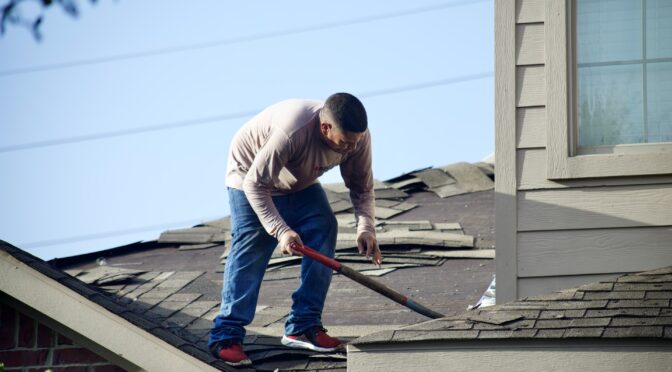
One of the most frequent roof problems homeowners encounter is missing or damaged shingles. This issue can occur due to severe weather, age, or poor initial installation. Replacing a single shingle or a few damaged ones is a relatively straightforward DIY task. Start by carefully removing the damaged shingles using a flat bar or a shingle removal tool. Then, insert new shingles in their place, ensuring they are properly aligned and secured with roofing nails. Remember to choose replacement shingles that match your existing roof.

2. Leaky Roof

A leaky roof is a problem that requires immediate attention to prevent water damage inside your home. First, identify the source of the leak, which may not always be directly above the visible water stain inside your home. Once you’ve located the leak, assess the damage to the affected area. You can temporarily fix the issue using roofing cement or sealant for small leaks. Apply the material around the damaged area, covering any cracks or gaps. However, it’s crucial to understand that this is a temporary solution. To address the root cause of the leak, consult a roofing professional.

3. Clogged Gutters

Clogged gutters can lead to water overflow, damaging your roof, fascia, and siding. Regularly cleaning your gutters is a simple yet vital DIY task. Start by removing debris, leaves, and dirt using a gutter scoop or a gloved hand. Then, flush the gutters with a garden hose to ensure proper water flow. To prevent future clogs, consider installing gutter guards, which can significantly reduce the maintenance required to keep your gutters functioning correctly.

4. Flashing Issues

Flashing is used to seal gaps and joints in your roof, such as around chimneys, vents, and skylights. Over time, flashing can become loose or damaged, leading to leaks. If you notice issues with your flashing, such as cracks or gaps, you can repair it yourself. Start by removing the damaged flashing and cleaning the area. Then, apply a new layer of roofing cement and secure the flashing back in place. Make sure it’s properly sealed to prevent water infiltration.

5. Minor Roof Ventilation Problems

A well-ventilated attic is essential to prevent moisture buildup and extend the lifespan of your roof. If you notice minor ventilation issues, such as blocked soffit vents or a damaged attic fan, these can often be fixed on your own. Clearing debris from soffit vents, replacing a malfunctioning attic fan, or adding additional vents can help improve airflow and prevent moisture-related problems in your attic.

Conclusion

While these common roof problems are manageable for DIY enthusiasts, it’s crucial to prioritize safety and take precautions when working on your roof. If you ever feel uncomfortable or unsure about a roofing task, it’s best to consult a professional to avoid further damage or potential safety hazards. Regular roof inspections and maintenance can also help you identify issues early and prevent more extensive and costly repairs down the road.

Seamless Roofing Solutions in New Britain, CT: Experts at Your Service!

Your roof is crucial to your home’s structure, providing essential protection and security. When it comes to roof repairs, installations, or maintenance, hiring professional roofing contractors in New Britain, CT, offers a wide range of benefits. Let’s explore the advantages of relying on their expertise and why they are the right choice for all your roofing needs.

Extensive Knowledge and Expertise

Professional roofing contractors in New Britain, CT, possess extensive knowledge and expertise in all aspects of roofing. They have a deep understanding of various roofing materials, installation techniques, and repair methods. With their experience, they can efficiently and effectively handle any roofing project, ensuring the highest quality results.

Quality Workmanship

One of the key benefits of hiring professional roofing contractors is their commitment to delivering quality workmanship. They adhere to industry standards and employ best practices for roofing projects. This attention to detail and dedication to excellence ensures that your roof will be durable, long-lasting, and capable of withstanding the unpredictable New Britain, CT, weather conditions.

Proper Equipment and Tools

Professional roofing contractors are equipped with the proper tools and equipment for roofing projects. They invest in high-quality tools and stay updated with the latest industry advancements. This allows them to perform their work efficiently and precisely, ensuring optimal results.

Safety Compliance

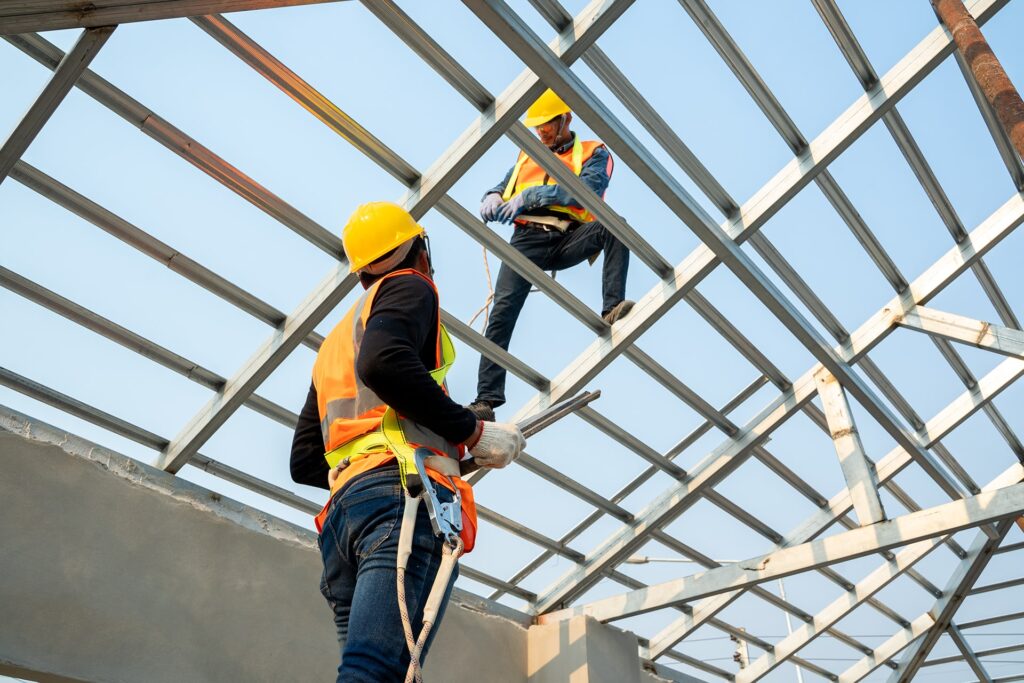
Roofing projects can be dangerous, especially without the necessary safety precautions. Professional roofing contractors prioritize safety and follow strict safety protocols. They are trained to handle roofing tasks safely, minimizing the risk of accidents or injuries. By hiring professionals, you protect yourself, your family, and your property.

Time and Cost Efficiency

While some homeowners may consider DIY roofing projects to save money, they often end up costing more in the long run. Professional roofing contractors in New Britain, CT, can complete the job efficiently, saving you time and effort. They also have access to quality materials at better prices, saving you money on roofing supplies.

Warranty and Insurance

Professional roofing contractors provide warranties on their workmanship and often offer manufacturer warranties on their roofing materials. This gives you peace of mind, knowing that your roof is protected against any defects or issues that may arise. Additionally, reputable roofing contractors carry insurance, ensuring you are not liable for any accidents or damages during the project.

Hire a Professional Roofing Contractor for Your Home Needs

Hiring professional roofers in New Britain, CT, is a wise investment for your roofing needs. New Britain Expert Roofers is one of the trusted roofing contractors in the area. Their extensive knowledge, quality workmanship, proper equipment, and commitment to safety ensure that your roofing project will be handled with expertise. With their time and cost efficiency, you can save time and money. Additionally, the warranties they provide and their insurance coverage offer peace of mind. When it comes to your roof, trust Expert Roofers, a reputable roofing company in New Britain, CT, to deliver the exceptional results you deserve.

New Britain Expert Roofers

14 Glen St suite 208, New Britain, CT 06051, United States

Phone Number: +19785431717

https://roofingcontractor-newbritainct.com/

Here’s the Best Way to Clean Your Roof After Heavy Rain

After heavy rain, your roof may be left with dirt, debris, and even algae or moss growth. It’s important to clean your roof promptly to maintain its integrity and prevent any potential damage. However, cleaning your roof after hard rainy weather requires caution and proper techniques to ensure safety and effectiveness. In this article, we will discuss the best way to clean your roof after rainy weather and restore its cleanliness and functionality.

1. Safety First

Before attempting any roof cleaning, prioritize safety. Ensure you have a sturdy ladder and use proper safety equipment, including non-slip shoes, gloves, and eye protection. If you’re uncomfortable with heights or if the roof is steep, it’s best to hire a professional roof cleaner.

2. Assess the Roof Condition

Before cleaning, inspect your roof for any signs of damage or loose shingles. If you notice any issues, it’s crucial to address them before proceeding with cleaning. Repair or replace damaged shingles to maintain the structural integrity of your roof.

3. Remove Debris

Begin the cleaning process by removing any loose debris from the roof surface. Use a leaf blower or a soft-bristle broom to gently sweep away leaves, branches, and other debris. Avoid using excessive force or aggressive tools that could damage the roof materials.

4. Safely Clear Gutters and Downspouts

During heavy rain, gutters and downspouts can become clogged with debris. Clear them carefully to ensure proper drainage and prevent water damage. Use a gutter scoop or gloved hands to remove leaves and other blockages, and rinse the gutters with water to ensure they’re clean and flowing freely.

5. Address Algae or Moss Growth

If your roof has algae or moss growth, it’s important to address it promptly. These organisms can compromise the integrity of your roof and lead to water damage. There are several ways to tackle algae or moss growth:

  •   Chemical Treatment

Apply a commercially available algae or moss treatment solution to the affected areas. Follow the manufacturer’s instructions carefully and avoid using abrasive tools or excessive pressure during application.

  •   Soft Washing

Consider using a soft wash system, which combines low-pressure water and a mild cleaning solution to safely remove algae or moss without causing damage. Soft washing is a gentle and effective method for roof cleaning, but it’s best performed by professionals.

  •   Preventive Measures

To prevent algae or moss growth in the future, trim any overhanging tree branches that may provide shade and retain moisture on the roof. Additionally, install zinc or copper strips along the roof ridges, as they can help inhibit the growth of these organisms.

6. Rinse with Water

After addressing debris, algae, or moss growth, rinse the roof thoroughly with water. Use a garden hose or a low-pressure sprayer to wash away any remaining residue or cleaning solution. Start from the top and work your way down, ensuring that water flows smoothly and doesn’t penetrate under the shingles.

7. Consider Professional Roof Cleaning

If your roof requires extensive cleaning or if you’re not comfortable performing the task yourself, it’s wise to hire a professional roof cleaning service. Professional cleaners have the expertise, experience, and specialized equipment to safely and effectively clean your roof without causing damage.

Conclusion

Regular maintenance and cleaning are essential to prolong the life of your roof and keep it in optimal condition. By following these steps and taking necessary precautions, you can effectively clean your roof after hard rainy weather and maintain its cleanliness and functionality for years to come. Remember, safety should always be your top priority, so if you’re unsure or uncomfortable, it’s best to seek professional assistance.