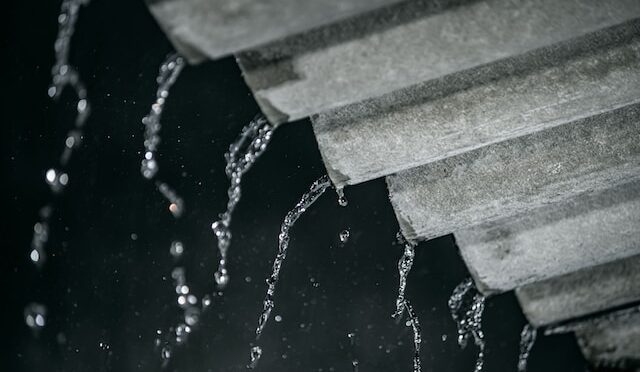
After heavy rain, your roof may be left with dirt, debris, and even algae or moss growth. It’s important to clean your roof promptly to maintain its integrity and prevent any potential damage. However, cleaning your roof after hard rainy weather requires caution and proper techniques to ensure safety and effectiveness. In this article, we will discuss the best way to clean your roof after rainy weather and restore its cleanliness and functionality.
1. Safety First
Before attempting any roof cleaning, prioritize safety. Ensure you have a sturdy ladder and use proper safety equipment, including non-slip shoes, gloves, and eye protection. If you’re uncomfortable with heights or if the roof is steep, it’s best to hire a professional roof cleaner.
2. Assess the Roof Condition
Before cleaning, inspect your roof for any signs of damage or loose shingles. If you notice any issues, it’s crucial to address them before proceeding with cleaning. Repair or replace damaged shingles to maintain the structural integrity of your roof.
3. Remove Debris
Begin the cleaning process by removing any loose debris from the roof surface. Use a leaf blower or a soft-bristle broom to gently sweep away leaves, branches, and other debris. Avoid using excessive force or aggressive tools that could damage the roof materials.
4. Safely Clear Gutters and Downspouts
During heavy rain, gutters and downspouts can become clogged with debris. Clear them carefully to ensure proper drainage and prevent water damage. Use a gutter scoop or gloved hands to remove leaves and other blockages, and rinse the gutters with water to ensure they’re clean and flowing freely.
5. Address Algae or Moss Growth
If your roof has algae or moss growth, it’s important to address it promptly. These organisms can compromise the integrity of your roof and lead to water damage. There are several ways to tackle algae or moss growth:
- Chemical Treatment
Apply a commercially available algae or moss treatment solution to the affected areas. Follow the manufacturer’s instructions carefully and avoid using abrasive tools or excessive pressure during application.
- Soft Washing
Consider using a soft wash system, which combines low-pressure water and a mild cleaning solution to safely remove algae or moss without causing damage. Soft washing is a gentle and effective method for roof cleaning, but it’s best performed by professionals.
- Preventive Measures
To prevent algae or moss growth in the future, trim any overhanging tree branches that may provide shade and retain moisture on the roof. Additionally, install zinc or copper strips along the roof ridges, as they can help inhibit the growth of these organisms.
6. Rinse with Water
After addressing debris, algae, or moss growth, rinse the roof thoroughly with water. Use a garden hose or a low-pressure sprayer to wash away any remaining residue or cleaning solution. Start from the top and work your way down, ensuring that water flows smoothly and doesn’t penetrate under the shingles.
7. Consider Professional Roof Cleaning
If your roof requires extensive cleaning or if you’re not comfortable performing the task yourself, it’s wise to hire a professional roof cleaning service. Professional cleaners have the expertise, experience, and specialized equipment to safely and effectively clean your roof without causing damage.
Conclusion
Regular maintenance and cleaning are essential to prolong the life of your roof and keep it in optimal condition. By following these steps and taking necessary precautions, you can effectively clean your roof after hard rainy weather and maintain its cleanliness and functionality for years to come. Remember, safety should always be your top priority, so if you’re unsure or uncomfortable, it’s best to seek professional assistance.